Powering Your Generator System Solutions
Understanding Standby Generators: Key Information for Every Property Owner
Standby generators are crucial for property owners seeking reliable backup power during outages. The generators automatically identify electrical loss and start up almost instantly, making sure necessary utilities stay working. Familiarizing oneself with their elements, pros, and fitting specifications is key to deciding wisely. As homeowners consider investing in these systems, various factors are important that might significantly affect their selection. Which aspects should owners emphasize when selecting the right generator for their needs?
What Exactly Is a Standby Generator?
A standby generator is an emergency electrical unit designed to automatically provide electricity during a power outage. Different from portable generators, requiring hands-on installation and fueling, standby generators are permanently installed and linked to the home's power grid. This connection enables them to sense power loss and turn on within seconds, ensuring that essential appliances and systems remain operational.
Standby generators operate using propane or natural gas, ensuring they are dependable for long-term operation without constant gas refills. They are available in different sizes, meeting various energy demands, from compact home systems to bigger business installations. In addition, several generators incorporate components like automatic transfer switches, which seamlessly switch power sources without manual input.
How Standby Generators Work?
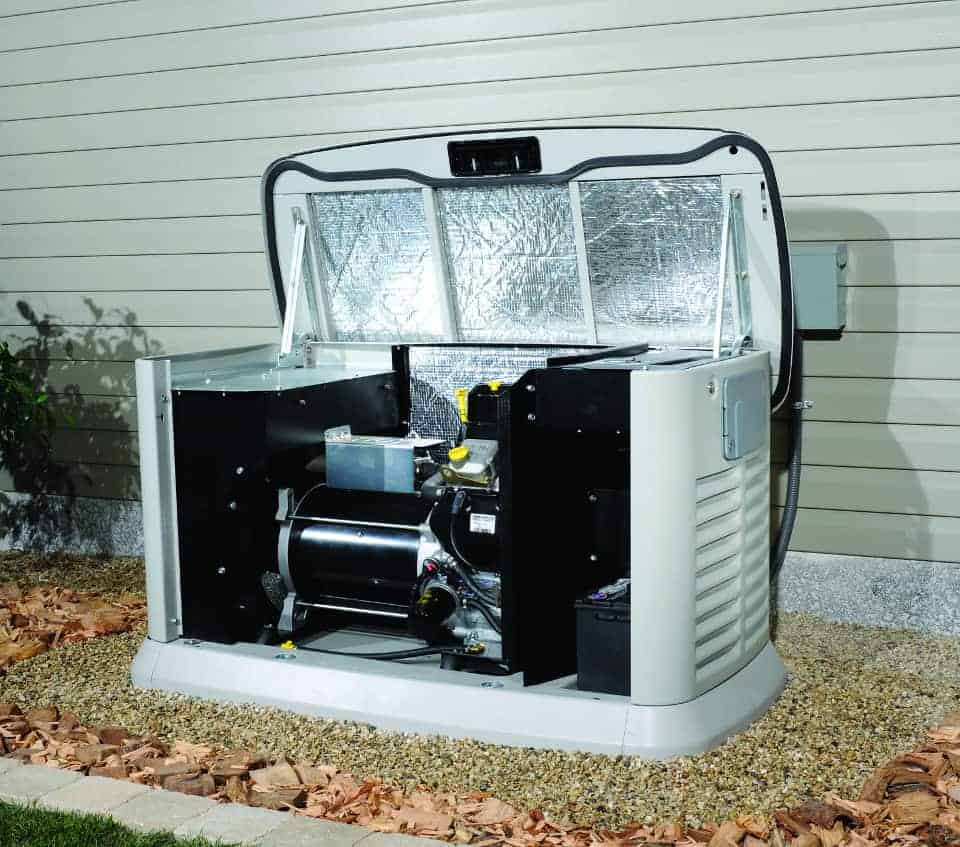
Standby generators function by constantly tracking the electricity flowing into a property. If a loss of power is identified, the generators turn on by themselves, delivering uninterrupted power to the property. The sequence commences with the unit's control board, which detects the failure of grid electricity. Upon detection, it sends a signal to start the generator almost instantly.
Fueled by natural gas or propane, the generator fires up and creates energy. The power produced is then routed through a power transfer device, which disconnects the home from the grid to stop electricity from flowing back. The automatic transfer switch makes certain that the residence gets electricity from the generator until the utility is restored.
Once the power is back, the generator system powers down automatically and waits in standby mode, poised to restart if necessary. This automatic functionality establishes standby generators as a reliable source of backup power when the power fails.
Top Benefits of Standby Systems
Standby generators offer considerable upsides, mainly by guaranteeing an uninterrupted power supply during electrical interruptions (Portland Standby Generators). This consistent performance improves convenience for residents but can also lead to an higher property valuation. As more people look for resilient energy solutions, the appeal of standby generators keeps increasing
Uninterrupted Power Supply
While electrical failures may interrupt everyday routines and commercial activities, backup generators offer a dependable answer by guaranteeing continuous electricity. They activate themselves during outages, preserving critical operations such as HVAC and cold storage. This function proves valuable for companies needing continuous electricity to maintain client services and protect stock. Moreover, these generators boost safety by maintaining alarm systems and emergency lighting operational during outages. By minimizing periods of inactivity, they limit possible monetary setbacks, allowing homeowners and businesses to resume regular operations quickly. In summary, backup generators provide reassurance, confident that electricity will be accessible when necessary, protecting both assets and income from the erratic behavior of power failures.
Boosted Property Worth
Property owners and companies may find that installing a standby generator significantly increases home worth. The growth in value stems from various factors, such as the desirability of dependable electricity during electrical interruptions. Prospective purchasers frequently see homes with standby generators as more attractive due to the enhanced protection and comfort they offer. Moreover, backup generators minimize the possibility of destruction to residential infrastructure and equipment when electricity fails, further attracting buyers concerned about maintenance costs (Portland Standby Generators). Moreover, in regions susceptible to harsh climates, a backup generator is a major advantage for sale. In the end, the installation of a standby generator offers more than just peace of mind but also is considered a worthwhile investment that can yield a good return when selling a property
Generator Types
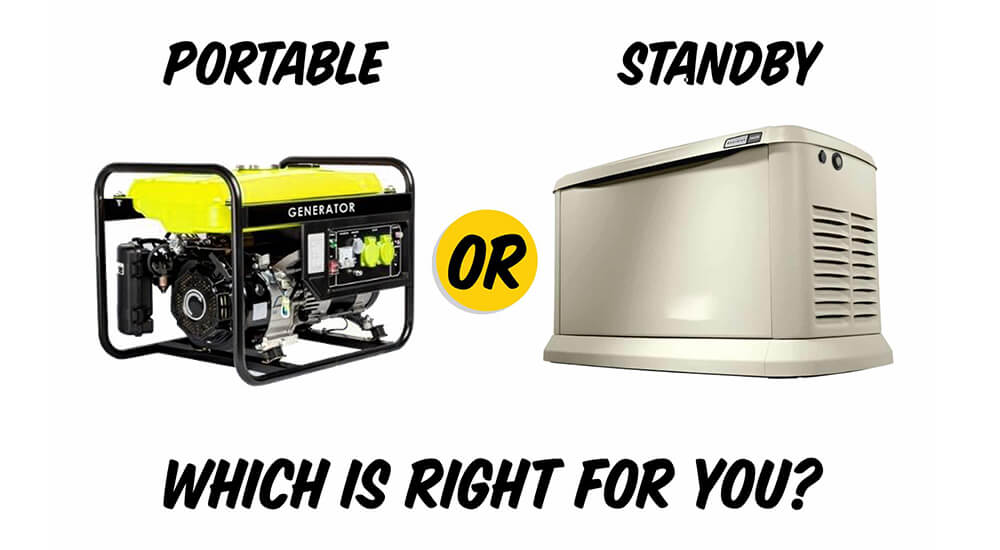
When considering options for backup power, it is crucial to understand the various types of standby generators available. The major categories consist of portable and stationary generators. Portable generators are versatile units that can be moved with ease and are typically powered by gasoline. They are ideal for temporary power needs but might not handle entire home systems.
In contrast, stationary generators, often referred to as whole-house generators, are fixed in place and connected to the home's electrical system. These units generally run on natural gas or propane, offering a more reliable and stable power supply during outages.
Another distinction is between automatic and manual generators. Automatic standby generators activate automatically during a power failure, while manual models require user intervention to activate. Understanding these differences helps property owners in examine now picking the right generator type for their specific backup power requirements.
What to Consider Before Buying
Before purchasing a standby generator, buyers have to consider several key factors. Understanding power requirements, selecting the appropriate fuel type, and analyzing installation and maintenance needs are essential steps in the decision-making process. These considerations can greatly impact the final suitability and performance of the generator.
Determining Power Needs
Before acquiring a standby generator, it is vital to assess the specific power requirements to guarantee adequate support during outages. Property owners must first identify the important appliances and systems that need backup power, like heating, cooling, refrigeration, and medical equipment. Next, they must calculate the total wattage required by these devices, taking into account both running and starting wattages. In addition, it is important to determine whether the generator will be used for only some or whole-home backup. This assessment helps determine a generator with the correct size, typically measured in kilowatts (kW). Understanding these energy requirements validates that the generator can reliably maintain essential operations during electrical failures, providing peace of mind and security.
Considering Fuel Types
Selecting the appropriate fuel type for a standby generator is vital, as it directly affects performance, availability, and operational costs. Standard fuel types include natural gas, propane, and diesel. Natural gas is commonly chosen for its simplicity and cleaner output, making it a suitable choice for properties connected to a gas line. Propane offers portability and a extended storage period, perfect for isolated areas. Diesel generators, while typically more powerful, may incur higher fuel costs and demand specialized storage provisions. Property owners should also assess local fuel availability and potential price fluctuations. Additionally, environmental regulations may impact which fuel is chosen, leading to the evaluation of cleaner alternatives to adhere to standards and boost environmental responsibility.
Installation and Ongoing Maintenance
The choice of fuel type for a standby generator is only one part of the decision-making process; the demands of fitting and servicing are just as important. Property owners must assess the intricacy of installation, which may need expert help, especially for systems involving electrical connections and plumbing. Adequate space and ventilation for the generator are also critical to maintain safety and performance.
Maintenance needs include regular inspections, oil changes, and battery checks, which are required to ensure maximum efficiency. Some generators come with self-checking functions, streamlining servicing. Additionally, the presence of nearby repair specialists can influence the overall upkeep. By assessing these elements, property owners can make informed decisions, assuring their standby generator operates reliably when power is lost.
Installation Process and Requirements
Although the installation of standby generators may seem straightforward, it involves several crucial stages and requirements that must be strictly observed. Initially, a thorough site assessment is necessary to find the optimal location for the generator, taking into account distance from the home and accessibility for maintenance. Local building codes and zoning regulations must be reviewed to verify conformity.
Subsequently, proper sizing is essential; generators need to be picked based on the property's power requirements. Following unit selection, a certified electrician typically handles the installation, hooking up the generator to the electrical system and verifying that it is properly grounded.
Fuel supply lines, such as natural gas or propane, must be put in place, adhering to safety standards. Lastly, a transfer switch is required to safely manage electricity during outages. Following these steps guarantees a safe and efficient installation, laying the groundwork for reliable backup power.
Maintenance and Safety Tips
Regular upkeep of standby generators is critical for guaranteeing their reliability and longevity. Property owners should adhere to a regular maintenance schedule, which includes checking the generator monthly. This involves checking the oil level, battery condition, and fuel system for signs of leakage or rust. Additionally, it is imperative to run the generator periodically to confirm it functions smoothly during power outages.
Safety is paramount when operating standby generators. Owners must make certain that the generator is installed outdoors in a well-ventilated area to avoid the accumulation of carbon monoxide. It is crucial to use a transfer switch to prevent backfeeding into the electrical grid, which can endanger utility workers. In addition, it is advisable to keep the generator clean and free from debris to prevent it from getting too hot. By adhering to these maintenance and safety tips, property owners can maximize the performance and lifespan of their standby generators, providing reassurance during power interruptions.
Frequently Asked Questions
How Long Can a Standby Generator Run Continuously?
A standby generator can run continuously for up to 24 hours on a full tank of fuel, based on its load and capacity. Regular upkeep secures maximum efficiency and extended lifespan, extending its operational time when needed.
Are Standby Generators Able To Provide Electricity For My Whole House?
Emergency power systems are capable of powering the full residence, based on their capacity and the home's power requirements - Portland Standby Generators. Correct dimensioning and fitting are crucial to secure adequate energy for essential appliances during blackouts
What Sorts of Energy Sources Are Compatible for Backup Generators?
These units are compatible with different kinds of fuel, including natural gas, propane, diesel, and gasoline. Each fuel source has distinct advantages, influencing efficiency, availability, and cost of operation, depending on the homeowner's particular requirements and circumstances.
Are These Units Loud During Operation?
Backup power units may be loud when active, usually generating sound levels around 60-70 dB. Nonetheless, innovations have led to quieter models, which significantly lower noise and still ensuring effective operation when the electricity fails.
Do I Need a Permit for Fitting a Home Generator?
Indeed, a permit is often required for installing a power system. The requirements change by location, so you should contact your local government to determine adherence with local codes and security regulations before installation.